 By Ms.Coco Ho
A clear specification for 3d printing helps a foundry plan tooling, casting, secondary operations and inspection before production begins. It also gives buyers a consistent way to compare suppliers and approve samples.
For an enquiry to Honyang Metal, identify the characteristics that control fit, safety, sealing, wear or appearance. General dimensions can then be separated from features that need machining, special processing or additional inspection.
Key Points for 3D Printing
- Define the function, alloy standard and service environment specifically for 3d printing.
- For 3d printing, mark critical dimensions, datums, machined surfaces and inspection requirements on the drawing.
- Compare tooling, secondary operations, testing, packaging and lead time as part of the total 3d printing cost.
- Approve 3d printing samples and repeat orders against the same controlled drawing revision.
Printed patterns can shorten early development by avoiding conventional pattern tooling, especially for prototypes, replacement parts and low-volume geometries that may still change.
What Is 3D Printing
What Is 3D Printing is best understood in the context of the complete 3d printing manufacturing route. Printed patterns can shorten early development by avoiding conventional pattern tooling, especially for prototypes, replacement parts and low-volume geometries that may still change. Review alloy response, section thickness, tooling or fixture design, process sequence and the final surface requirement.
For 3d printing, separate as-cast characteristics from dimensions or properties established by later operations. Document the decision in the drawing, process specification or inspection plan so it remains consistent when the order is repeated. Samples should be checked after every operation that can change the final requirement, using the drawing revision intended for production.
What is 3d Print Investment Casting?
Investment casting builds a ceramic shell around wax patterns, removes the wax, pours the selected alloy, and then separates, cleans and finishes the castings. For 3d printing, define the expected result, verification method and acceptance limit before releasing this step.
What is the High Pressure Aluminum Die Casting Process?
High-pressure die casting fills a reusable steel die rapidly, making it suitable for repeat volumes and thin sections, but tool cost and trapped gas must be considered. Use trial 3d printing parts to confirm visible quality and functional dimensions before series production.
How 3D Printing Is Evaluated
How 3D Printing Is Evaluated is best understood in the context of the complete 3d printing manufacturing route. Printed patterns can shorten early development by avoiding conventional pattern tooling, especially for prototypes, replacement parts and low-volume geometries that may still change. Review alloy response, section thickness, tooling or fixture design, process sequence and the final surface requirement.
For 3d printing, separate as-cast characteristics from dimensions or properties established by later operations. Document the decision in the drawing, process specification or inspection plan so it remains consistent when the order is repeated. Samples should be checked after every operation that can change the final requirement, using the drawing revision intended for production.
What are the Advantages of 3d Printing Investment Casting?
Investment casting builds a ceramic shell around wax patterns, removes the wax, pours the selected alloy, and then separates, cleans and finishes the castings. Check how this detail affects later machining, finishing and assembly of the 3d printing component.
Everything You Need To Know About Steel Sand Casting
Sand casting forms an expendable mould around a pattern and provides broad size and alloy flexibility; mould strength, permeability, moisture, gating and feeding strongly affect the result. Check how this detail affects later machining, finishing and assembly of the 3d printing component.
How to Specify 3D Printing
How to Specify 3D Printing is best understood in the context of the complete 3d printing manufacturing route. Printed patterns can shorten early development by avoiding conventional pattern tooling, especially for prototypes, replacement parts and low-volume geometries that may still change. Review alloy response, section thickness, tooling or fixture design, process sequence and the final surface requirement.
For 3d printing, separate as-cast characteristics from dimensions or properties established by later operations. Document the decision in the drawing, process specification or inspection plan so it remains consistent when the order is repeated. Samples should be checked after every operation that can change the final requirement, using the drawing revision intended for production.
What Product is Suitable for 3d Print Investment Casting?
Investment casting builds a ceramic shell around wax patterns, removes the wax, pours the selected alloy, and then separates, cleans and finishes the castings. Check how this detail affects later machining, finishing and assembly of the 3d printing component.
Design and Material Factors for 3D Printing
Material decisions for 3d printing should begin with the named grade, condition and governing specification. Printed patterns can shorten early development by avoiding conventional pattern tooling, especially for prototypes, replacement parts and low-volume geometries that may still change. Review alloy response, section thickness, tooling or fixture design, process sequence and the final surface requirement.
For 3d printing, separate as-cast characteristics from dimensions or properties established by later operations. Confirm any proposed equivalent by chemistry, mechanical properties, heat treatment and corrosion performance rather than by a similar trade name. Samples should be checked after every operation that can change the final requirement, using the drawing revision intended for production.
Who can Provide 3d Print Investment Casting?
Investment casting builds a ceramic shell around wax patterns, removes the wax, pours the selected alloy, and then separates, cleans and finishes the castings. Put the requirement on the 3d printing drawing or process specification and state which records must accompany the order.
Production Risks in 3D Printing
The production risks in 3d printing stage must connect the incoming material and geometry with the condition required for the next operation. Printed patterns can shorten early development by avoiding conventional pattern tooling, especially for prototypes, replacement parts and low-volume geometries that may still change. Review alloy response, section thickness, tooling or fixture design, process sequence and the final surface requirement.
For 3d printing, separate as-cast characteristics from dimensions or properties established by later operations. Process records should identify the parameters that matter to the part and the checks performed before work moves to the next stage. Samples should be checked after every operation that can change the final requirement, using the drawing revision intended for production.
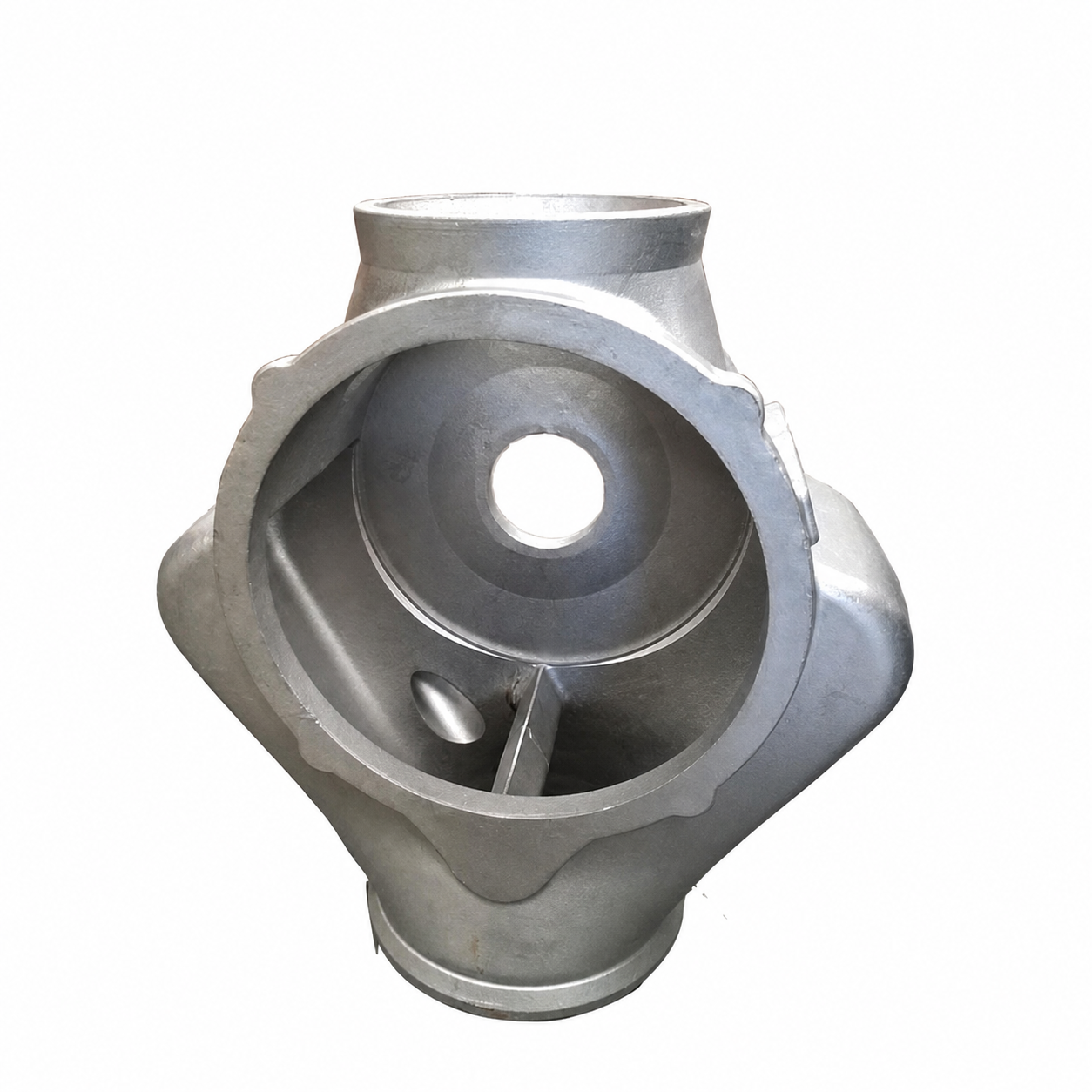
3D prinitng investment cast products
Printed patterns can shorten early development by avoiding conventional pattern tooling, especially for prototypes, replacement parts and low-volume geometries that may still change. For 3d printing, define the expected result, verification method and acceptance limit before releasing this step.
Information for a 3D Printing Request for Quotation
A useful RFQ for 3d printing includes a dimensioned 2D drawing or 3D model, the required material standard and condition, critical tolerances, surface finish, testing, quantity, annual forecast and delivery destination. Printed patterns can shorten early development by avoiding conventional pattern tooling, especially for prototypes, replacement parts and low-volume geometries that may still change. State whether the 3d printing project is a new development or a replacement, and explain any known service problem that the component must address.
Ask the supplier to identify tooling, sample approval, primary processing, machining, finishing, inspection and packaging for 3d printing as separate parts of the scope. The purchasing team can then compare complete offers and see which schedule assumptions or quality records are included.
Frequently Asked Questions About 3D Printing
Which information most affects a 3D Printing quotation?
The controlled drawing, alloy specification, order quantity, critical tolerances, secondary operations and records for 3d printing usually have the greatest effect. Missing requirements can later require tool changes, added machining or another sample review.
Should every 3D Printing dimension use the tightest available tolerance?
No. Tolerances for 3d printing should reflect function and measurement capability. Tight limits on noncritical features increase tooling, machining and inspection work without necessarily improving the component in service.
When should 3D Printing samples be approved?
Approve 3d printing samples after all operations that can affect final dimensions, properties or appearance. The approval record should identify the drawing revision, material condition, inspection method and any agreed deviation.
Discuss a 3D Printing Project
Honyang Metal can review application drawings for 3d printing alongside related custom investment casting parts. Use the Contact Us page to provide drawings, quantities, material requirements and inspection expectations.

Custom Investment Casting Metal Parts
Follow Honyang Metal for practical updates on investment casting design, material selection, machining, inspection and international sourcing.investment casting, custom metal parts, China factory services, drawing support, supplier options and foundry exporter prices.