By Ms.Coco Ho
Define the casting’s boundary before treating it as a finished valve.
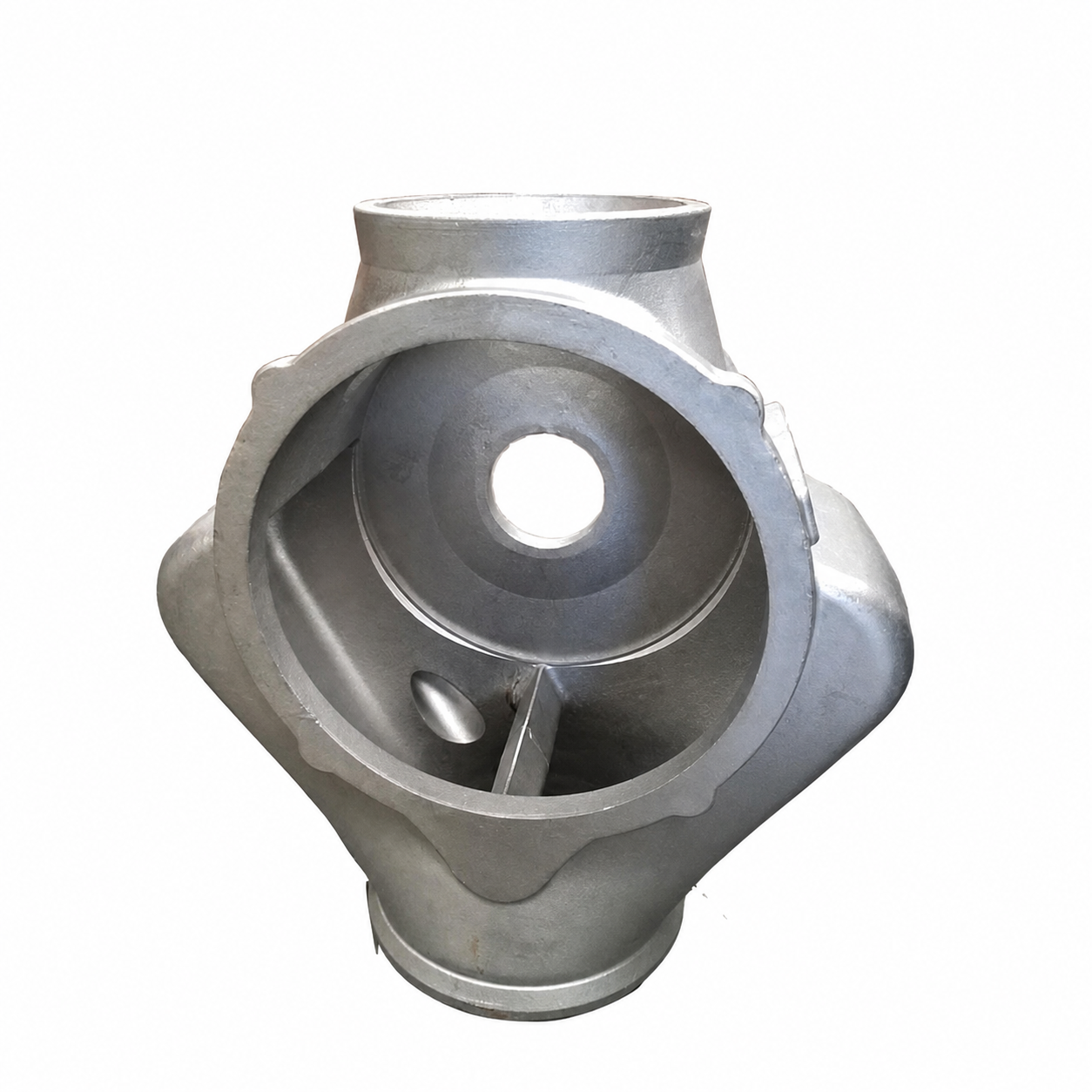
A stainless steel valve casting may be a pressure-containing body, a bonnet, a disc or another component with a different function. The foundry’s responsibility depends on which item is being supplied and what operations are included. A loose casting’s material record or dimensional report is not the same as acceptance of an assembled valve. Start a component enquiry by making that supply boundary explicit.
Distinguish Body, Bonnet and Moving Parts
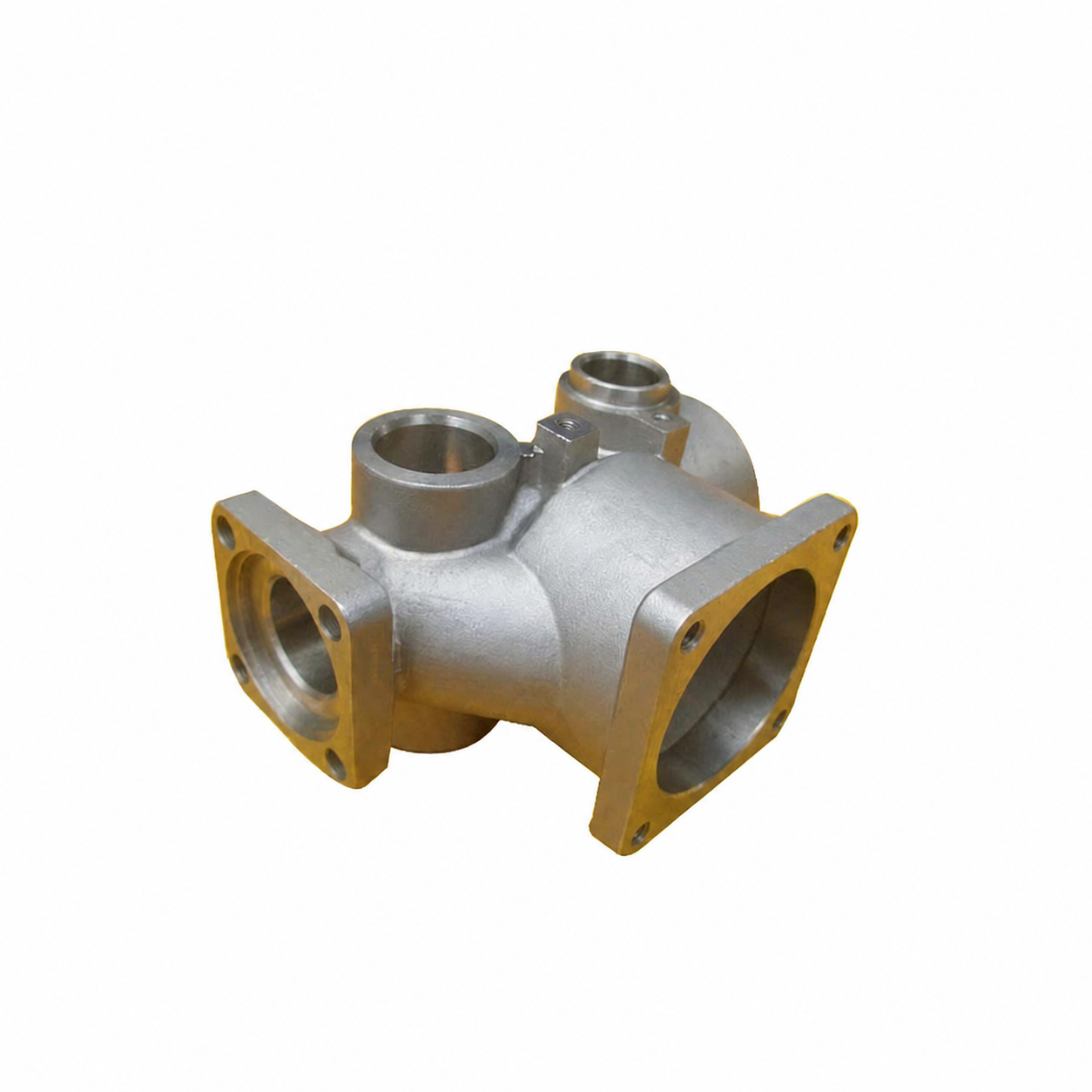
Use the assembly drawing to identify the component and its interfaces. A body enquiry needs to show the fluid passages and connections. A bonnet enquiry needs its joint and stem-related features. A disc or other moving component must be reviewed in relation to its mating and motion requirements. Calling all of them “valve castings” is useful for navigation but insufficient for manufacturing acceptance.
Mark the delivered condition: as-cast blank, machined component or a larger supplied assembly. State who establishes seats, threads, fits and other final interfaces. This prevents a quotation for a blank from being accepted on the assumption that assembly-ready features are included.
Specify a Cast Material Requirement
SFSA’s ordering guidance emphasises a material specification and grade, with additional inspection requirements agreed in the order. For a stainless casting, use the applicable cast-alloy designation and referenced requirements. A familiar wrought-material label or a general “stainless steel” description should not silently replace that information.
Relate the selected material to the actual service and design requirement. Do not assign corrosion resistance, operating temperature or pressure capability merely from the appearance of the part. Where a customer specification controls the final condition or additional evidence, make it available before the supplier proposes its route.
Keep Valve Standards in Their Proper Scope
ASME’s public description of B16.34 includes pressure-temperature ratings, dimensions, materials, examination, testing and marking for the valves within its scope. Naming that standard on a web page is not evidence that a particular casting or assembled valve meets it. The responsible parties must identify the applicable edition, requirements and supply responsibility for the actual order.
Separate the material requirement, component inspection and final valve testing. If a functional or pressure test is part of the supplied scope, define it in the order rather than assuming that a general casting inspection covers it. This article gives no test pressure, pressure class or service rating for the pictured component.
Review Interfaces and Records Together
| Component review | Requirement to make explicit |
|---|---|
| Passages and connections | Controlled geometry, accessible inspection features and which end connections are finished. |
| Mating interfaces | Seating, bolting, locating and moving-part relationships shown on the drawing. |
| Material and condition | Specified cast grade, final condition, traceability and required test evidence. |
| Inspection boundary | Component checks included in the casting order and any separate assembled-valve acceptance. |
Resolve Indications Without Hiding the Decision
When an inspection finds an indication or a dimension outside the agreed requirement, document the item and its disposition before further processing. A cosmetic improvement should not be used as a substitute for an accepted technical resolution. State who may authorise any rework or repair and what verification is needed afterward.
Retain the part revision and lot identity through machining and finishing. A report that cannot be linked to the delivered component offers little help when a later assembly question arises. The sample approval should describe which characteristics were accepted and which activities remain with the valve manufacturer.
Submit a Component-Specific Enquiry
Send the controlled drawing, component function, material requirements and delivered-condition scope with the quantity forecast. Identify whether this is a new valve design or a replacement component and provide the approved design information needed for that review. A photograph is context, not a substitute for the controlled geometry.
See this site’s pump and valve component category, then use Contact Us to clarify the proposed supply. The enquiry does not establish an approval, pressure class or stocked complete valve.
Primary references: SFSA ordering steel castings; ASME B16.34 public scope.

Custom Investment Casting Metal Parts
Follow Honyang Metal for practical updates on investment casting design, material selection, machining, inspection and international sourcing.investment casting, custom metal parts, China factory services, drawing support, supplier options and foundry exporter prices.