By Ms.Coco Ho
The individual wax pattern is only one part of the casting route.
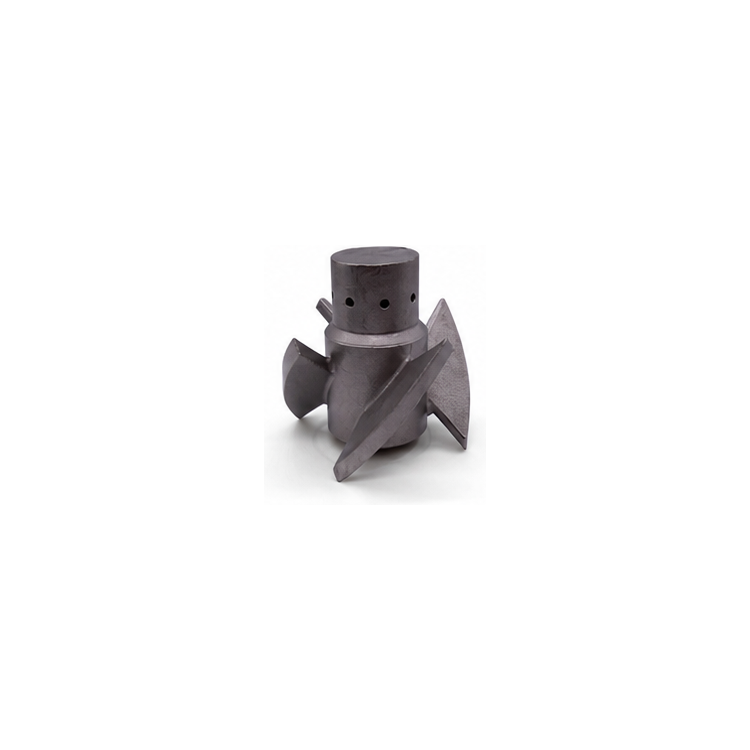
An investment casting pattern assembly connects individual patterns with the system used to deliver metal to the cavities. For a buyer, the useful review is not an attempt to design the foundry tree. It is a check that attachment locations, finishing access and sample traceability support the ordered component. Those details can influence what the customer sees and measures after the casting is separated and cleaned.
Identify the interfaces that matter to the customer
Investment casting develops a refractory shell around expendable patterns, which are removed before metal is poured. Pattern assemblies allow multiple cavities and a feeding arrangement to be handled together. The foundry controls that arrangement, but customer requirements can constrain where attachments and later cleanup are acceptable.
Mark sealing faces, locating pads, visible cosmetic areas and thin edges on the drawing. Ask the supplier to explain whether proposed attachment locations conflict with those requirements. It is more useful to identify an unacceptable functional consequence than to prohibit attachments everywhere without considering how the component will be made.
Discuss separation and dressing before sample approval
After casting, the component must be separated from the attached system and the remaining area finished. Review whether the location permits cutting and grinding without damaging an adjacent feature. If later machining will remove the attachment area, include that fact in the agreed production sequence.
For a compact impeller or lever, access may be as important as the visible size of the attachment. Ask what the delivered surface should look like and how it will be inspected. Do not approve a favorable sample that depended on an exceptional finishing method unless that method is part of the quoted repeat route.
Keep assembly position traceable during development
If an early trial shows variation, position within an assembly can be useful investigation information. Agree how representative samples are identified before they are separated. The buyer does not need every internal process record, but should be able to discuss an unusual result using a sample identity that the supplier can investigate.
Avoid pooling all trial results into a single average too early. A favorable overall result may hide a feature that behaves differently in one position. The purpose of keeping identity is to discover a pattern and test an explanation, not to assume that assembly position is always the cause.
Protect geometry during intermediate handling
Patterns and assemblies pass through several operations before pouring. Thin projections and broad unsupported features deserve a handling review. Ask how the supplier recognizes damage or distortion before investing further work in an affected assembly.
A customer can help by separating truly critical geometry from convenient but unnecessary drawing restrictions. If a small design adjustment would improve support or finishing access, review its effect on function. Approving that adjustment before tooling release is usually clearer than negotiating a deviation on every delivered batch.
Tie sample reports to the actual delivery route
Inspect the casting after the operations included in the order. If separation, blasting, treatment and machining are supplied, the approval package should make clear which condition was measured. Otherwise, a report may demonstrate the geometry of an intermediate stage rather than the component the buyer will receive.
Where an attachment area is close to a critical feature, include both in the sample review. Record any permitted blending and the acceptance method. This prevents an argument over whether an altered edge is acceptable when the real issue is an undefined finishing instruction.
Release the assembly concept without freezing every detail
A production agreement should identify changes that need customer review, such as moving an attachment onto a functional surface or changing a qualified finishing operation. It does not need to require approval for every internal foundry adjustment that has no effect on agreed requirements.
The objective is a controlled interface between component design and foundry practice. When that interface is documented, the supplier can improve its route while the buyer retains confidence in the delivered features. The result is a more useful approval than a generic statement that the parts will be made by lost wax casting.
Practical review checklist
| Review item | Evidence to request | Decision it supports |
|---|---|---|
| Attachment location | Marked functional and cosmetic surfaces | Whether cleanup conflicts with the design |
| Separation access | Cutting, dressing and machining sequence | Whether the delivery route is practical |
| Sample identity | Trial positions retained through inspection | Whether variation can be investigated |
| Change control | Defined customer-review triggers | Whether later adjustments affect approval |
Prepare a focused engineering discussion
Compare this guidance with the component geometry and operating conditions in your project. Review the existing product and process overview, then use the contact page to discuss a drawing, alloy specification and inspection requirements.
Further reading: Xometry’s related casting guide.

Custom Investment Casting Metal Parts
Follow Honyang Metal for practical updates on investment casting design, material selection, machining, inspection and international sourcing.investment casting, custom metal parts, China factory services, drawing support, supplier options and foundry exporter prices.