
 By Ms.Coco Ho
Review the evidence around a shell process without prescribing an unqualified recipe.
Ceramic shell drying is an important discussion when an investment casting design contains deep pockets, narrow openings or features that complicate shell preparation. However, a buyer should not specify a universal drying time copied from another foundry. The practical task is to confirm that the proposed process has been reviewed for the geometry and that abnormal conditions, sample results and production changes are controlled.
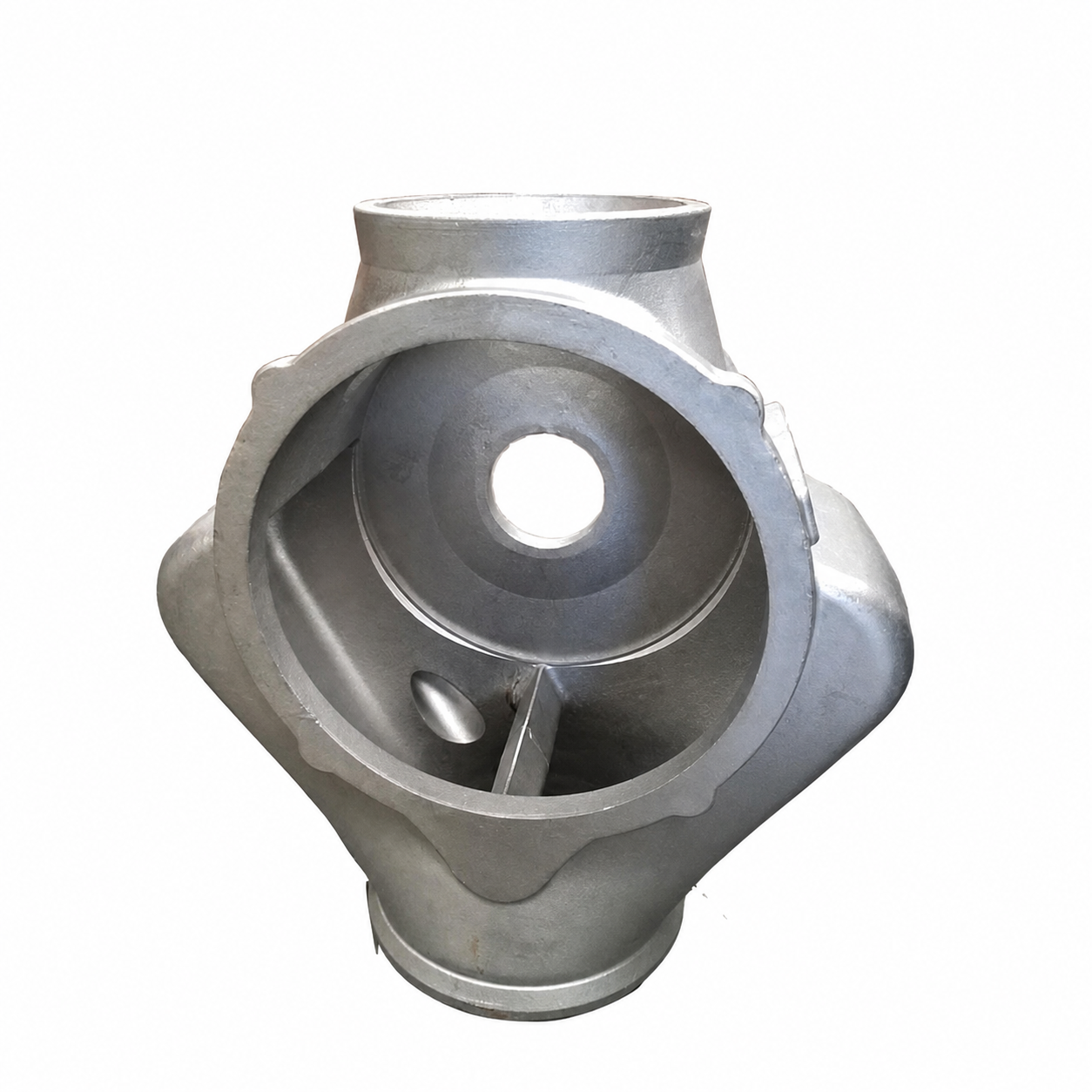
Keep the process requirement distinct from the component requirement
The customer normally defines the alloy, geometry, delivered condition and acceptance requirements. The qualified foundry develops the shell materials and operating sequence needed to meet them. Asking how that sequence is controlled is appropriate; imposing unsupported settings can transfer responsibility without establishing capability.
Describe why a feature is critical. A narrow opening might affect cleaning access, a deep pocket might complicate forming and inspection, and a thin feature might be vulnerable during handling. These are specific engineering concerns that the foundry can evaluate. A blanket instruction to dry longer does not resolve them.
Use a geometry review to identify difficult regions
Show the supplier the complete part, including internal and underside features that may not be visible in a front view. Ask which regions need particular attention during shell manufacture and how the proposed orientation supports the route. Record any design changes proposed to improve accessibility.
For a branched housing, distinguish a passage that must remain open from a cavity that can be machined afterward. The same external shape can conceal very different production requirements. Clarifying those differences early helps the foundry focus its trials and helps the buyer interpret the resulting sample evidence.
Ask how departures from normal processing are handled
A process-control discussion should identify how the production team recognizes an interruption or an out-of-condition situation. Ask how affected work is held, reviewed and released. The answer should describe responsibilities and records rather than a claim that deviations never occur.
Keep the enquiry proportionate to the risk of the component. A routine hardware part and a component with a demanding service requirement may justify different documentation. What matters is that the required evidence is agreed before production, not requested retrospectively when a shipment is already waiting.
Connect shell concerns to observable sample results
A buyer cannot usually judge shell quality from the finished part photograph alone. Agree the component-level observations needed for the trial: dimensional results, surface condition, cleanliness and any qualified examinations relevant to the application. Each observation should be tied to an identifiable sample.
If a problem appears, avoid assigning the cause from appearance alone. Similar visible results may arise through different mechanisms. Ask for an investigation that considers the production record and suitable physical evidence. This is more productive than requesting a process change solely because a defect occurred near a difficult feature.
Include cleaning and inspection access
A shell route that forms the required cavity still needs to deliver a clean and verifiable component. Review how internal regions will be cleaned and how the result will be accepted. State requirements for passages in functional terms, with an inspection approach that the supplier can actually apply.
Where direct visual access is limited, discuss whether another examination or a design change is appropriate. Do not assume that an inaccessible cavity is acceptable because the outside surface looks good. Equally, do not demand an examination that has no agreed acceptance criterion or practical coverage for the geometry.
Keep qualification useful for repeat production
Record the approved drawing, delivery route and sample evidence together. Identify changes that could affect the original review, including a revised pocket, a changed opening or a new finishing requirement. Decide when additional samples are needed based on those effects rather than treating every change identically.
A good ceramic shell discussion gives the buyer confidence in the supplier’s control of its process without turning the order into an unverified recipe. The purchase decision remains centered on the component requirements and the evidence that the proposed route can satisfy them.
Practical review checklist
| Review item | Evidence to request | Decision it supports |
|---|---|---|
| Difficult geometry | Marked pockets, openings and internal regions | Where process review is needed |
| Abnormal conditions | Hold, investigation and release procedure | Whether affected work remains controlled |
| Sample acceptance | Component-level observations and identities | Whether the trial answers the real concern |
| Repeat orders | Defined change-review requirements | Whether original qualification still applies |
Prepare a focused engineering discussion
Compare this guidance with the component geometry and operating conditions in your project. Review the existing product and process overview, then use the contact page to discuss a drawing, alloy specification and inspection requirements.
Further reading: Xometry’s related casting guide.

Custom Investment Casting Metal Parts
Follow Honyang Metal for practical updates on investment casting design, material selection, machining, inspection and international sourcing.investment casting, custom metal parts, China factory services, drawing support, supplier options and foundry exporter prices.