By Ms.Coco Ho
The layer touching the alloy and the layers supporting it have different jobs.
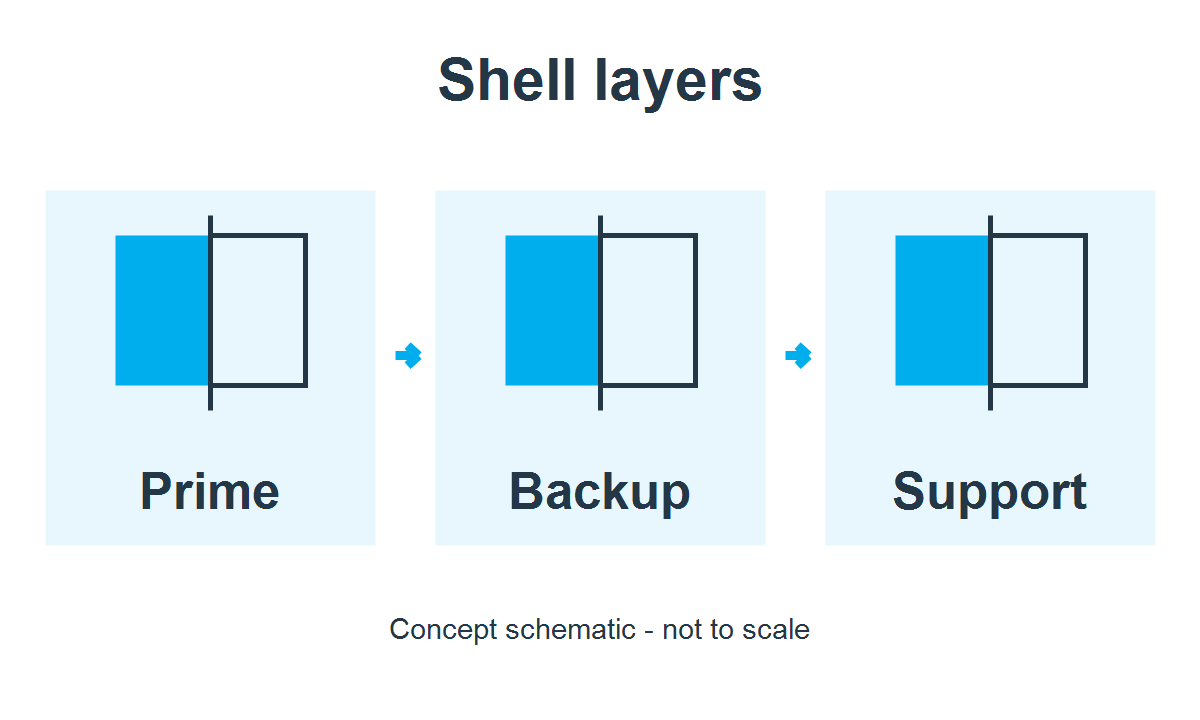
An investment casting prime coat is the first ceramic layer applied to the pattern assembly. Subsequent backup layers build the shell system around it. These layers work together, but they are not interchangeable. Understanding their different roles helps a buyer ask better questions about surface condition, shell strength and the evidence behind a proposed material change.
Contents
What the prime layer controls
The first layer reproduces the pattern surface and becomes the ceramic interface with the metal cavity. Its application must account for wetting, coverage and compatibility with the intended alloy and process. A visually complete outer shell does not prove that the first layer properly reached every narrow feature on the pattern.
Surface quality begins before this coat is applied. Contamination, pattern damage and unwanted wax details can influence the cavity. It is therefore misleading to assign every final surface problem to the prime material alone. Review the pattern and preparation stage alongside the shell materials when a recurring issue appears.
Why backup layers are necessary
The remaining layers contribute to a shell capable of surviving pattern removal, thermal processing and pouring. Their performance depends on the complete system, including application and drying. Simply adding more layers is not a universal solution to a shell problem; geometry, permeability, handling and the qualified route must also be considered.
The buyer normally does not need to prescribe a supplier proprietary formulation. What matters is confidence that the selected system is suitable for the component and that changes are controlled. Ask how the shell route is identified, how materials are managed and what checks are used to maintain consistency.
| Review point | Evidence to request |
|---|---|
| Prime coat | Pattern coverage and metal-interface suitability |
| Backup layers | Shell performance through the approved route |
| Process change | Defined validation and finished-part evidence |
Look closely at difficult geometry
Deep recesses and narrow gaps can be difficult to coat consistently. Air retention, drainage and access require attention during shell building. The foundry should review these features at the design stage rather than assuming that an acceptable external coating proves acceptable coverage everywhere.
For a trial component, document which regions are difficult and what evidence establishes their suitability. If a design change improves access, assess its effect on function as well as manufacturing. A wider gap may help processing, but it is not automatically acceptable in the final assembly.
Investigate damage by stage
Shell cracking before dewaxing, damage during wax removal and a surface issue after pouring are different observations. Record when the condition first becomes visible. That timing helps focus the investigation and avoids changing a prime coat to address a handling problem or changing backup layers without evidence of their involvement.
Retain lot identification and photographs with orientation. Where analysis is required, preserve representative material before heavy cleanup removes evidence. A controlled comparison between an acceptable and an affected lot is more informative than a list of possible causes detached from the actual production history.
Approve shell changes with a clear scope
A material substitution, drying change or revised layer sequence may require validation appropriate to the application. Define what must be demonstrated before production resumes. The evidence may involve shell performance, casting surface condition and finished-part acceptance, rather than a single material certificate.
Prime and backup layers serve distinct purposes within one mold system. A useful purchasing review respects that relationship: identify the alloy and geometry, ask how the complete shell route is controlled and verify the finished result. This supports informed decisions without copying an unqualified shell recipe from another foundry.
For a component-specific discussion, review the product and manufacturing overview and use the contact page with the current drawing and required delivery condition.

Custom Investment Casting Metal Parts
Follow Honyang Metal for practical updates on investment casting design, material selection, machining, inspection and international sourcing.investment casting, custom metal parts, China factory services, drawing support, supplier options and foundry exporter prices.